Diesel Shortage Risks: What Malaysian Developers Must Know
Global tensions can feel distant, but their impact on construction in Malaysia is often immediate and real. Concerns around fuel supply, especially diesel, have grown as conflicts affect oil production and distribution channels. For developers and project owners, this is not just an economic headline. Diesel plays a critical role in construction, and any disruption can influence costs, timelines, and overall project feasibility. Understanding these risks early allows better planning and reduces exposure to unexpected setbacks.
Why Diesel Is Critical to Construction
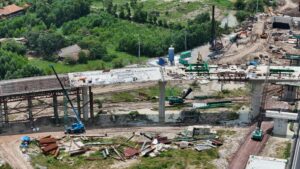
Diesel is the backbone of most construction activity. Heavy machinery such as excavators, piling rigs, cranes, and generators rely heavily on diesel to operate efficiently. Beyond the site itself, diesel powers the transportation of essential materials including cement, steel, and aggregates. When diesel supply tightens or prices increase, the effect is immediate across multiple stages of construction. This makes fuel stability a key factor in maintaining both cost control and project momentum.
How Global Disruptions Affect Local Supply
Conflicts involving major oil producing regions can disrupt global supply chains, even for countries not directly involved. When production or shipping routes are affected, fuel prices tend to fluctuate and availability may tighten. Malaysia, while having its own energy infrastructure, is still influenced by global market conditions. These external pressures can lead to increased fuel costs, which eventually filter down into construction pricing and logistics.
Impact on Construction Costs and Timelines
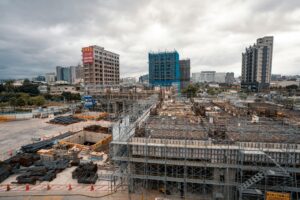
Rising diesel prices often translate into higher construction costs. Contractors may adjust their pricing to account for increased operating expenses, particularly for machinery and logistics. Material delivery schedules may also be affected, especially if transportation becomes more expensive or limited. Over time, these factors can lead to project delays and budget overruns. Developers who do not account for such fluctuations early may find themselves forced to revise financial plans midway through the project.
What Developers Should Expect
In periods of uncertainty, construction projects tend to experience greater volatility. Tender pricing may become less predictable, contractors may build in larger cost buffers, and timelines may extend due to supply chain adjustments. Developers should expect more cautious market behaviour and plan accordingly. This includes allowing flexibility in budgeting and avoiding overly aggressive timelines that do not account for potential disruptions.

Planning Projects More Strategically
To manage these risks, early planning becomes even more important. Accurate cost estimation, realistic scheduling, and strong coordination between consultants and contractors help reduce exposure to fuel related disruptions. Exploring efficient construction methods and planning procurement carefully can also improve resilience. Developers who take a proactive approach are better positioned to maintain control over their projects despite changing market conditions.
Conclusion
At TA Square, we approach every project with a focus on both design and real world execution challenges. By understanding how global factors such as fuel supply can impact local construction, we help clients plan more strategically and build with greater confidence. Through careful coordination, realistic planning, and practical insight, we support developments that remain resilient even in uncertain conditions.