Refurbish, Don’t Rebuild: How Adaptive Reuse Saves Cost and Creates Value
In a city like Kuala Lumpur, where land is limited and construction costs continue to rise, tearing down an existing building is not always the smartest move. Many older structures sit on valuable land with strong location advantages, yet are often overlooked because they appear outdated. Refurbishment offers a different approach. By repurposing what already exists, developers can reduce costs, shorten timelines, and create unique spaces that stand out in a competitive market. Looking at successful local examples, it becomes clear that adaptive reuse is not just practical, but strategically powerful.
Saving Cost Without Starting From Zero
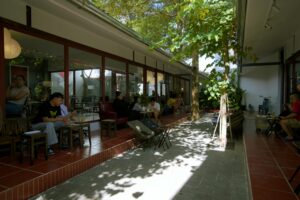
One of the biggest advantages of refurbishment is cost efficiency. Demolition and rebuilding require significant investment in structure, materials, and time. By retaining the existing framework, developers can reduce structural costs and focus spending on upgrading and redesigning key areas. This approach also shortens construction timelines, allowing projects to be completed and activated faster. In many cases, refurbishment provides a better return on investment compared to starting from scratch.
Real Examples That Work in Malaysia
Projects like The Campus Ampang and REXKL demonstrate how powerful adaptive reuse can be. The Campus Ampang was once an old international school, but has been transformed into a vibrant community hub filled with food operators, retail spaces, and event areas. REXKL, on the other hand, was formerly a cinema that has been reimagined into a creative cultural space hosting bookstores, exhibitions, and performances. These projects show that existing buildings can be repositioned into destinations with strong identity and appeal.
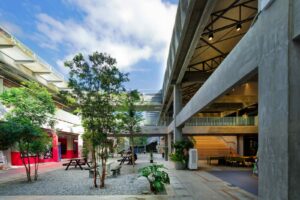
How The Campus Ampang is revolutionising Malaysia’s retail landscape through adaptive reuse
Environmental and Sustainability Benefits
Refurbishment also supports more sustainable development practices. By reusing existing structures, developers reduce construction waste and minimise the need for new materials. This lowers the overall environmental impact of the project. In today’s market, sustainability is no longer just a trend but an expectation, especially in urban developments. Adaptive reuse allows developers to meet these expectations while still maintaining commercial viability.
Creating Community Driven Spaces
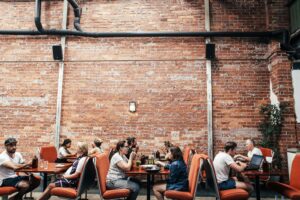
Unlike many new developments that can feel generic, refurbished spaces often carry character and history. This creates a stronger emotional connection with visitors. Spaces like Campus Ampang and REXKL have become community hotspots because they offer something different. Their layouts, materials, and atmosphere cannot be easily replicated in new builds. This uniqueness attracts foot traffic, supports tenant success, and builds long term value for the development.
Not Without Challenges
Refurbishment is not always straightforward. Older buildings may require structural strengthening, compliance upgrades, and careful integration of modern systems. These challenges need to be addressed early through proper planning and technical assessment. However, when managed correctly, the benefits often outweigh the limitations, making refurbishment a highly viable strategy.
Conclusion
At TA Square, we see existing buildings as opportunities rather than constraints. Through careful evaluation, design, and planning, we help clients unlock the hidden value within older structures. By combining cost efficiency, sustainability, and strong placemaking, refurbishment projects can deliver both commercial success and meaningful community impact.