Retail Architecture That Performs: How Smart Design Increases Footfall
Retail success depends on more than branding and product selection. The physical environment of a store or outlet strongly influences how customers behave. In Malaysia’s competitive retail landscape, well designed spaces attract attention, encourage exploration, and ultimately increase sales. Architecture plays a key role in shaping how customers experience a brand.
Why Frontage Width Matters
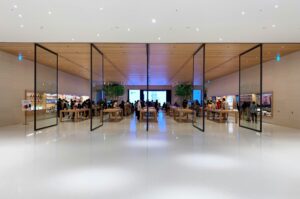
The width of a retail frontage determines how visible a store is to passing customers. A wider frontage allows clearer product displays and stronger branding opportunities. In shopping centres where multiple stores compete for attention, visibility becomes one of the most important design considerations.
Visibility Lines Inside Shopping Centres
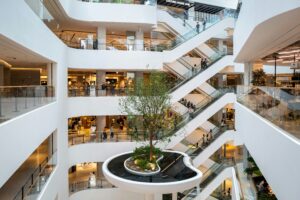
Store layouts must consider how customers move through corridors and open spaces. Clear sight lines allow shoppers to notice a store from a distance, increasing the likelihood they will approach. Poorly positioned entrances or obstructed displays reduce visibility and limit foot traffic.
https://www.thestar.com.my/starpicks/2026/02/11/retail-curated-for-living
Ceiling Height and Lighting Influence Experience
Retail environments that feel open and well lit encourage customers to spend more time browsing. Higher ceilings and carefully designed lighting create a more comfortable atmosphere. These subtle architectural choices influence how customers perceive a brand’s quality.
Designing for Brand Consistency
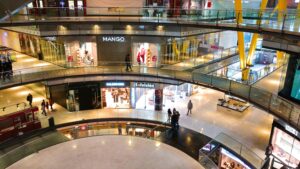
Many retail brands operate across multiple outlets and cities. Consistent design elements such as materials, layout structure, and lighting help reinforce brand identity. Well planned retail architecture allows businesses to replicate successful store concepts across different locations.
Conclusion
At TA Square, we design retail environments that support business performance as well as visual identity. By considering customer movement, visibility, and spatial experience, our designs help brands attract attention and create memorable shopping environments. The result is architecture that not only looks impressive but also supports stronger commercial outcomes.