Unexpected expenses can arise from infrastructure requirements, authority conditions, structural solutions, utility provisions, and other requirements that may not be obvious at the beginning. Coordinating the project team early allows these issues to be identified before they become expensive problems, helping developers make better decisions from the start.

Royal Institution of Surveyors Malaysia – RISM
Why Architects, Engineers and Quantity Surveyors Should Work Together
Each consultant brings a different perspective to a development. Architects focus on the overall design, planning requirements, functionality, and development potential. Engineers ensure that the proposed design can be safely and practically constructed, while quantity surveyors assess the financial implications of the project.
When these consultants are involved early, they can review the same proposal together and identify potential conflicts or limitations before detailed design begins.
For example, an architectural concept may appear attractive and commercially promising, but an engineer may identify structural or infrastructure requirements that increase construction costs. A quantity surveyor can then assess the financial impact and determine whether the proposal remains within the project’s intended budget.
Controlling Costs Before They Become a Problem
One of the biggest advantages of early coordination is better cost control. Quantity surveyors rely on information from architects and engineers to develop meaningful cost estimates. Without sufficient design and technical information, early budgets may be based on assumptions and may not accurately reflect the eventual construction requirements.
Early collaboration allows the team to identify expensive elements and explore alternatives before the design becomes too advanced. This could involve adjusting the building form, materials, structural system, or infrastructure requirements to achieve a better balance between design quality and cost.
Identifying Hidden Requirements Early
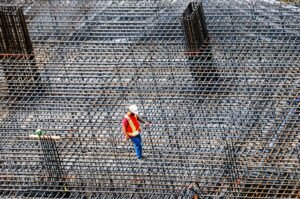
Some project costs are not immediately obvious when a development is first conceptualised. Infrastructure upgrades, drainage, access requirements, utility connections, earthworks, authority requirements, and other site specific conditions can all affect the final budget.
Engineers and other specialists can help identify these technical requirements early, while the quantity surveyor can assess their financial impact. This gives the developer a clearer picture of the actual investment required rather than relying solely on the initial construction estimate.
Saving Time Through Better Coordination
When architects, engineers, and quantity surveyors communicate from the beginning, potential clashes can be identified before construction drawings are completed or work begins on site. This reduces the likelihood of repeated redesigns, conflicting information, and late changes.
A coordinated team can also respond to authority requirements more efficiently and make decisions faster because the implications of each option are understood across different disciplines.
What to Prepare Before Meeting an Architect for Your First Development Project
Building a More Realistic Development Strategy
Ultimately, early consultant coordination helps turn an ambitious idea into a realistic development strategy. Instead of asking whether something can be designed, the project team can consider whether it can be designed, approved, constructed, and delivered within the developer’s financial and time objectives.
This balance between design ambition, technical practicality, cost, and project efficiency is essential for creating developments that perform well commercially as well as architecturally.
Conclusion
At TA Square, we’re committed to bringing the right consultants together early to create better, more practical projects. By coordinating architects, engineers, quantity surveyors, and the wider project team from the beginning, we help clients control costs, reduce redesigns, save time, and make more informed development decisions.